Fungi Guide
A reference hub for functional and medicinal mushrooms — identification, compounds, traditional uses, and research status.
Mushrooms Worth Knowing
These profiles are starting points for understanding — not field identification guides. For foraging, always consult expert sources and local mentors.
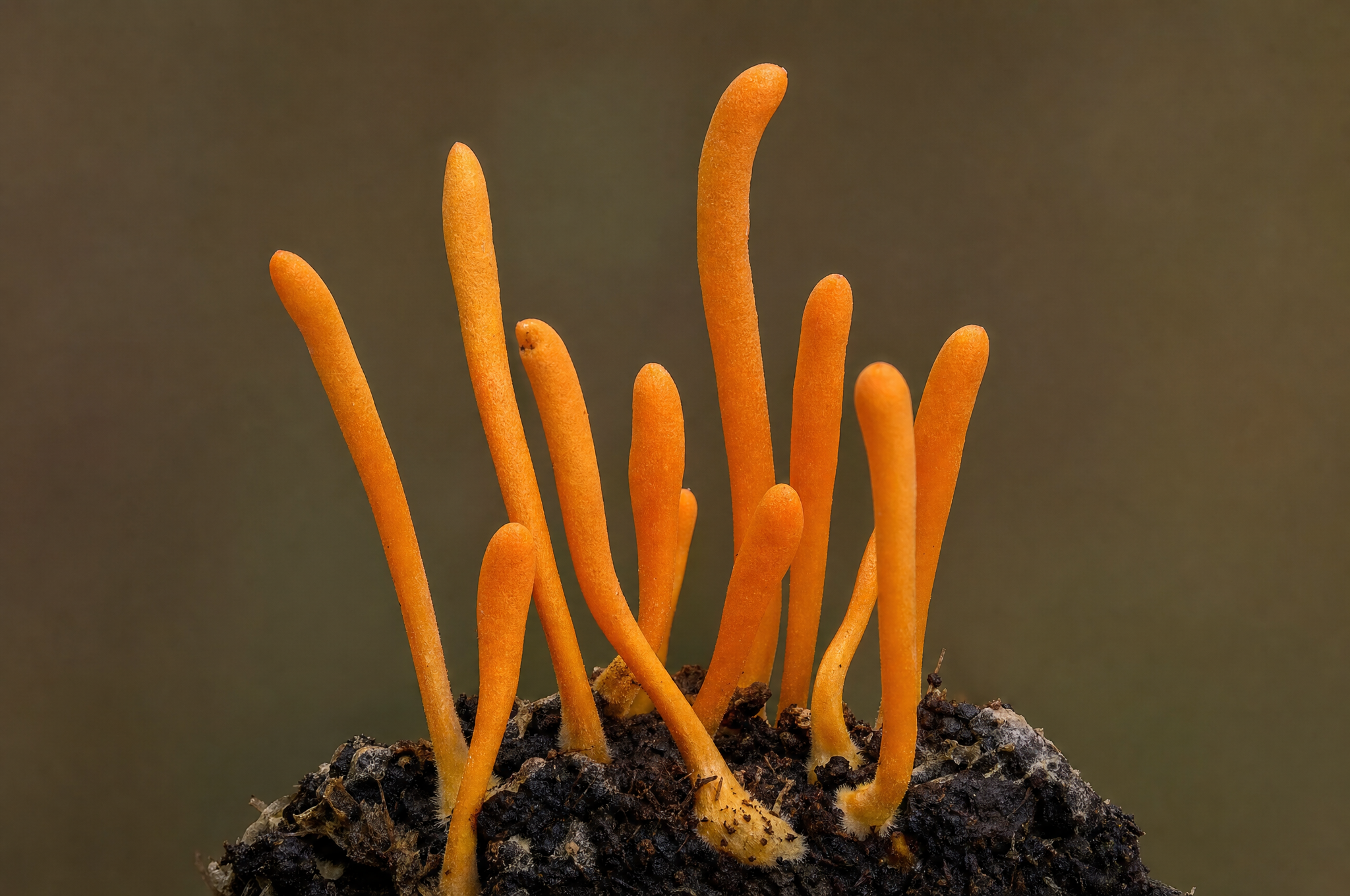
Cordyceps militaris
Orange Club Fungus
A cultivable entomopathogenic fungus known for producing cordycepin. Unlike the wild C. sinensis, it grows on grain substrates and is widely used in research.
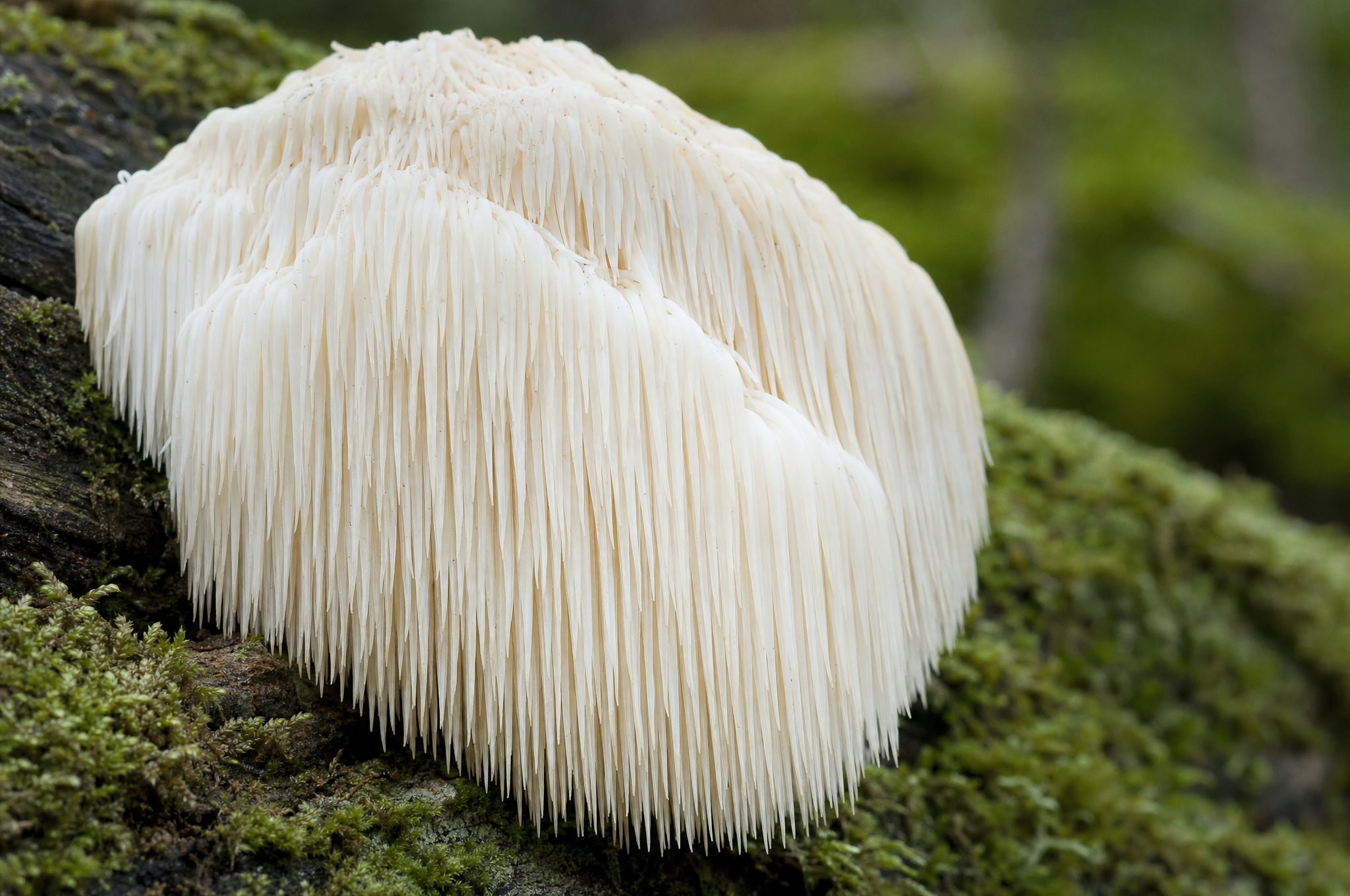
Lion's Mane
Hericium erinaceus
A toothed fungus producing hericenones (fruiting body) and erinacines (mycelium). Studied for potential neurotrophic effects and NGF stimulation in vitro.
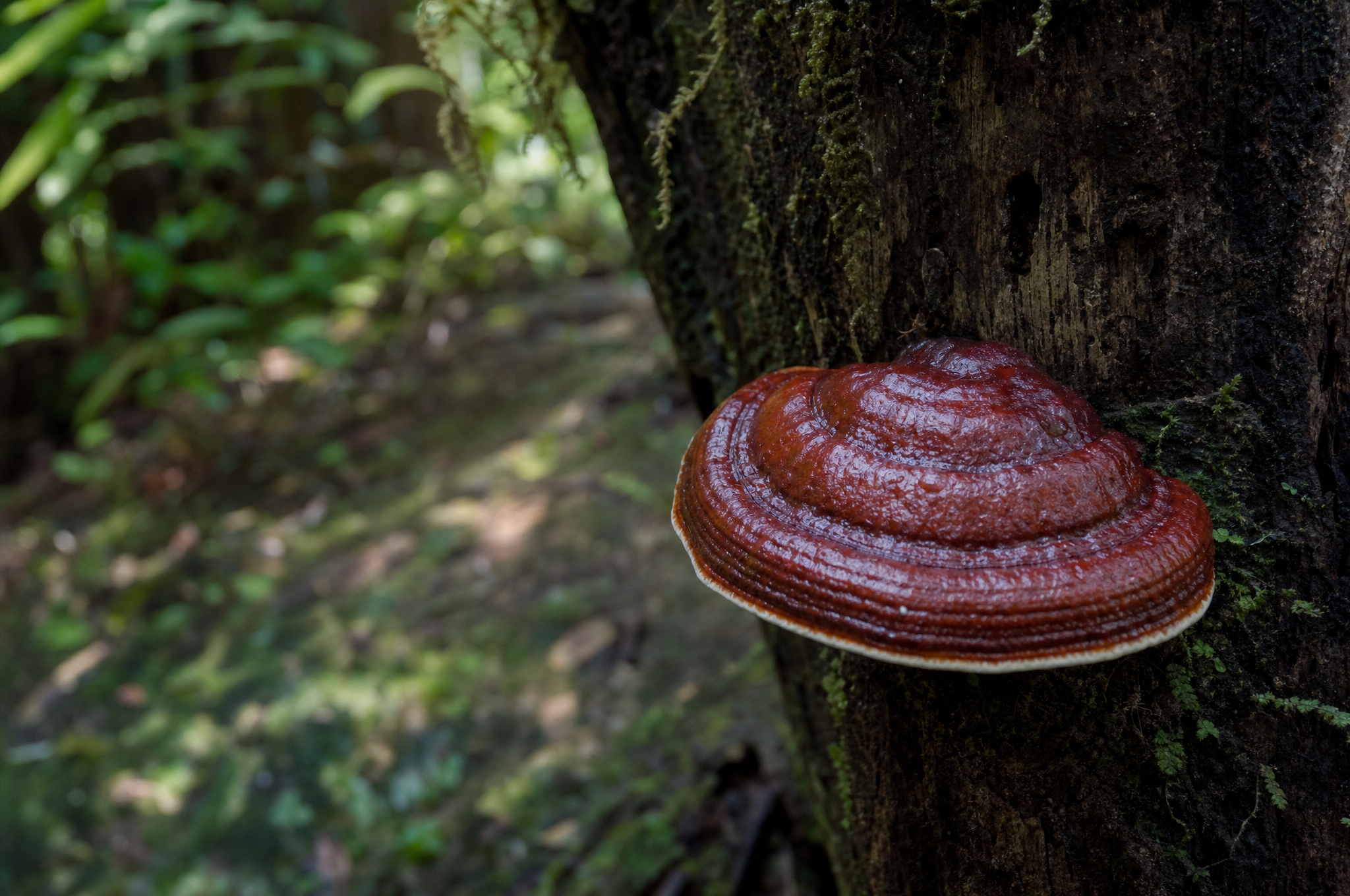
Reishi
Ganoderma lucidum / lingzhi
Known as lingzhi in Chinese medicine, this bracket fungus produces triterpenes and polysaccharides. Traditionally used for calm and longevity.
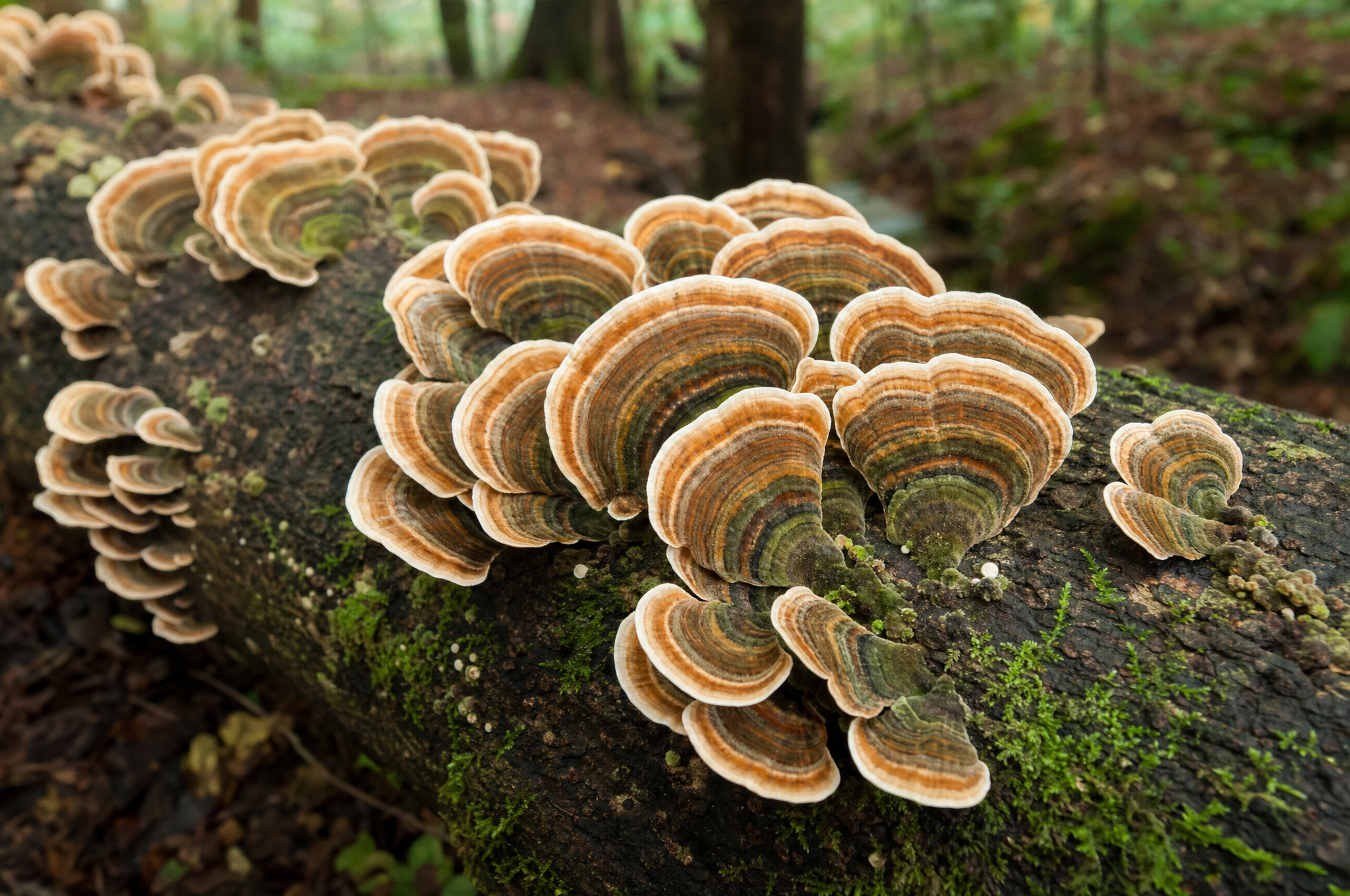
Turkey Tail
Trametes versicolor / Coriolus versicolor
One of the most clinically studied medicinal fungi. PSK and PSP, compounds derived from its mycelium, have been used as adjunctive therapies in cancer care in Japan.
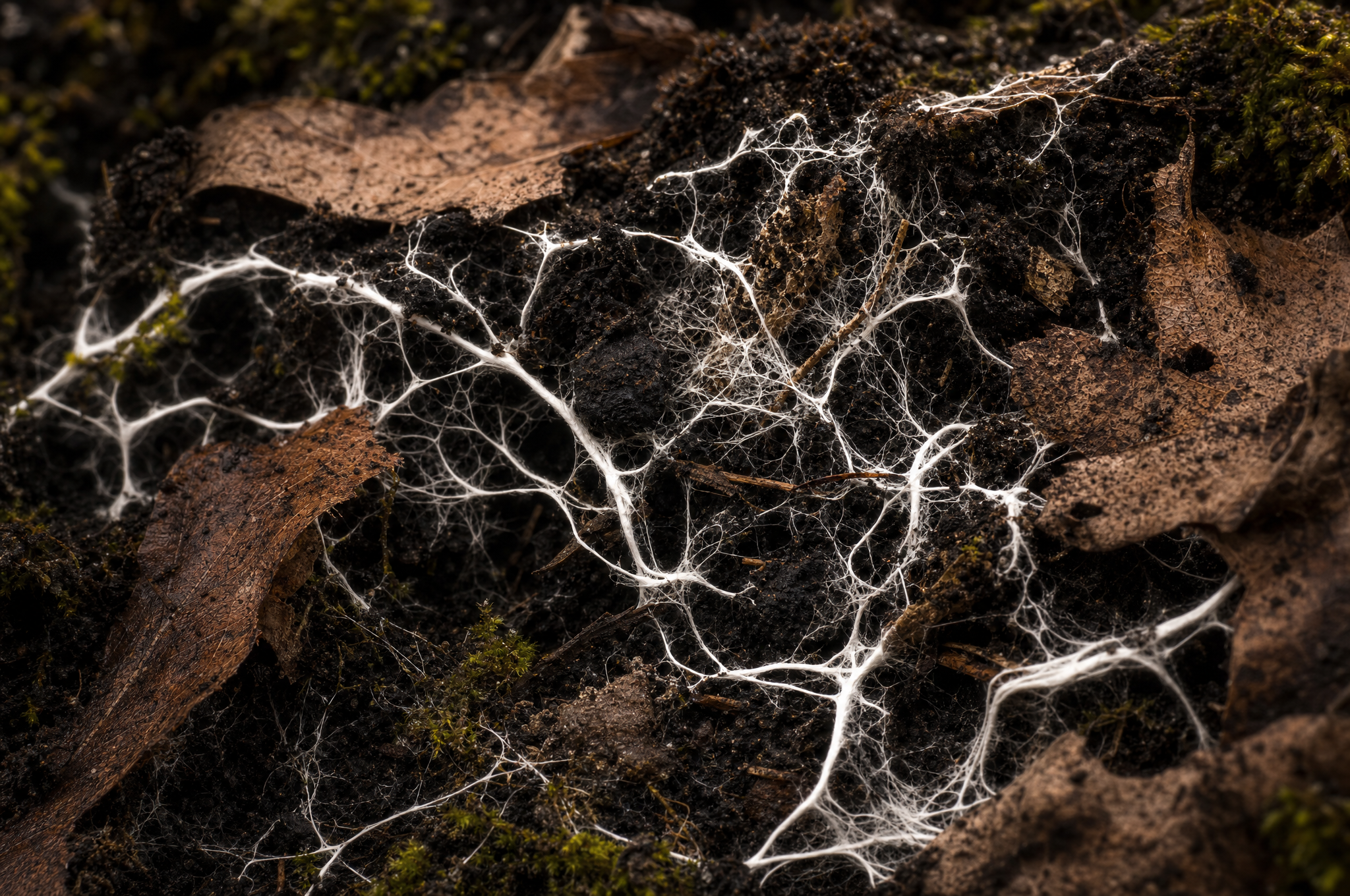
Mycelium
The Vegetative Network
Not a species but a life stage — the underground network of fungal threads that is the main body of most fungi. Central to decomposition, nutrient cycling, and forest ecology.
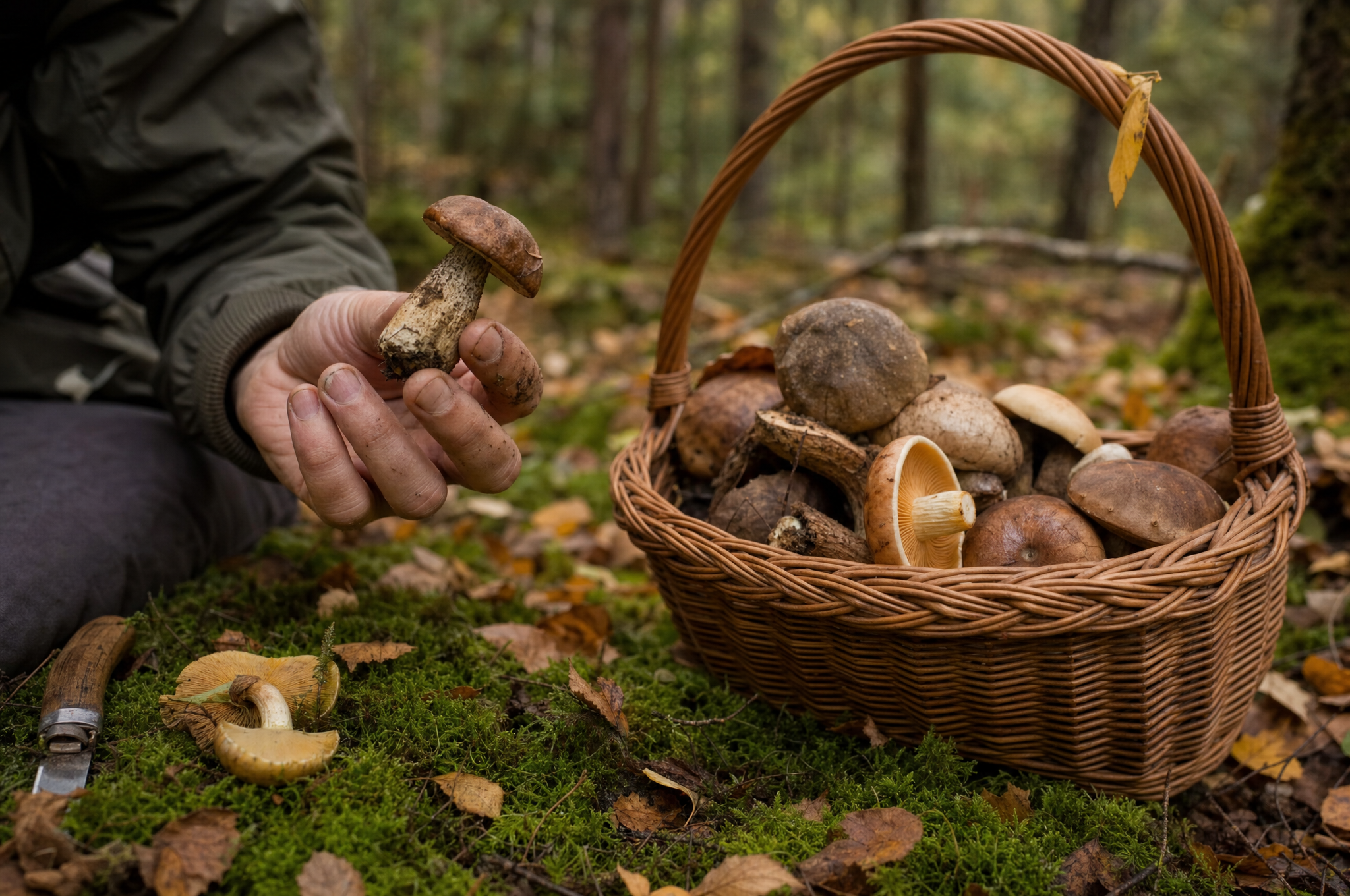
Foraging Species
Wild Edible Mushrooms
Chanterelles, chicken of the woods, morels, and puffballs are commonly foraged edibles — but each requires careful identification and mentorship. Start with safety.
This guide provides biological and educational context, not field identification. Photographs on this site are illustrative, not diagnostic. If you plan to forage, invest in a regional field guide, join a mycological society, and never consume a mushroom you cannot identify with 100% certainty. The difference between an edible and a deadly species can be a single microscopic feature.