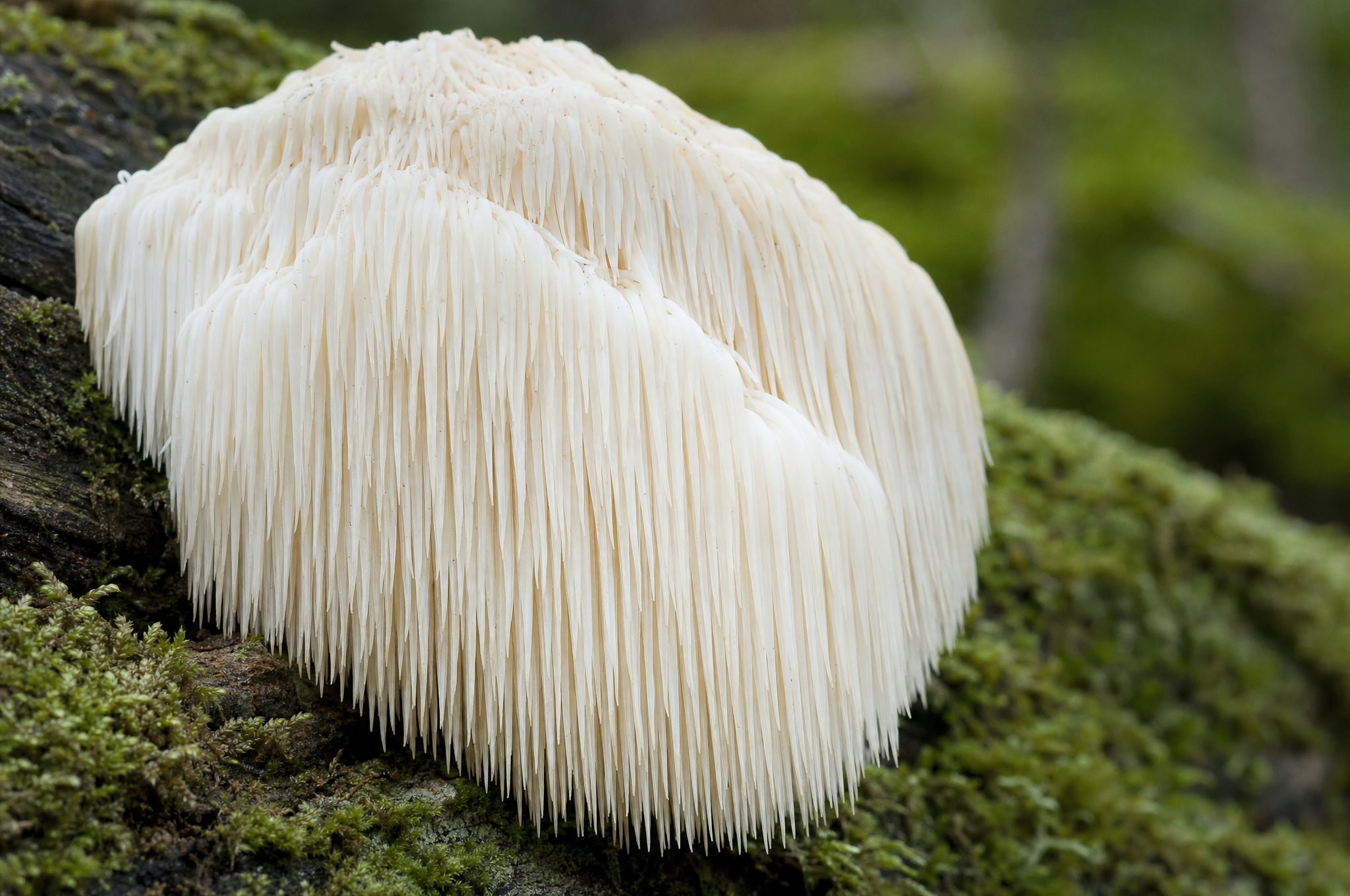
Of all the medicinal mushrooms, Lion's Mane (Hericium erinaceus) is one of the most rewarding to grow at home. It colonizes substrate quickly, fruits reliably, and produces a genuinely delicious edible mushroom — not just a supplement ingredient. If you've ever wanted to move beyond reading about functional mushrooms and actually engage with one, this is a reasonable place to start.
This is not a step-by-step recipe. It's a realistic overview of what the process involves, what can go wrong, and what to expect. For detailed instructions, follow the specific directions that come with your grow kit or culture.
While home cultivation avoids the risks of wild foraging, you should still positively identify any mushroom before eating it. Lion's Mane is distinctive and difficult to confuse, but always verify. If you experience any adverse reaction after eating Lion's Mane (or any food), stop and consult a healthcare provider.
Why Lion's Mane Is Beginner-Friendly
Several characteristics make Lion's Mane a good cultivation starting point:
- Aggressive colonization: Lion's Mane mycelium grows rapidly and tends to outcompete many contaminants, making it relatively forgiving for beginners
- Distinctive appearance: The cascading white spines are unmistakable — there is no risk of confusing your harvest with something dangerous
- Temperature tolerance: It fruits at moderate temperatures (18–24°C / 65–75°F), which are achievable in most homes
- Edible and tasty: Unlike some medicinal mushrooms (Reishi is woody and inedible), Lion's Mane is a genuine culinary mushroom with a lobster/crab-like flavor
- Available as kits: Pre-inoculated grow kits are widely available, removing the need for sterile lab work
Two Paths: Grow Kits vs. From Scratch
Path 1: Grow Kits (Beginner)
A grow kit is a block of substrate (usually sawdust and grain) that has already been colonized by Lion's Mane mycelium. You simply open it, provide humidity and fresh air, and it fruits. This is the easiest entry point.
What you need:
- A Lion's Mane grow kit (purchase from a reputable supplier)
- A spray bottle for misting
- A humidity tent (often included with the kit — a plastic bag with holes)
- A location with indirect light and stable temperature
Timeline: First harvest typically 7–14 days after opening the kit. A single kit may produce 2–3 flushes (harvests) over several weeks.
This is the most realistic option for most people. The downside is that you're dependent on the kit supplier, and the cost per pound of mushroom is higher than from-scratch cultivation.
Path 2: From Scratch (Intermediate)
If you want to go deeper, you can inoculate your own substrate. This requires more equipment and sterile technique but offers more control and lower long-term costs.
What you need:
- Lion's Mane spawn (grain spawn or liquid culture) from a reliable supplier
- Substrate: hardwood sawdust supplemented with bran, or pre-made mushroom bags
- A pressure cooker or autoclave for sterilization
- Filter patch grow bags
- A still air box or laminar flow hood for sterile inoculation
- 70% isopropyl alcohol for surface sterilization
- A fruiting chamber (a plastic tote with humidity control works for small batches)
Timeline: Full colonization takes 2–4 weeks. Fruiting begins 1–2 weeks after introducing fresh air and light. Total time from inoculation to first harvest: 4–6 weeks.
The Process, In Brief
1. Preparation
If using a kit: simply follow the supplier's instructions for opening and initiating fruiting.
If from scratch: sterilize your substrate in a pressure cooker (90 minutes at 15 PSI), let it cool, and inoculate with spawn in a sterile environment.
2. Colonization
The mycelium grows through the substrate, consuming nutrients and building biomass. During this phase, the block should be kept in the dark at room temperature (20–24°C / 68–75°F). Colonization is complete when the substrate is fully white with mycelium — no visible substrate remains.
3. Fruiting Initiation
To trigger fruiting, introduce three changes:
- Fresh air exchange: Lion's Mane needs oxygen to form proper fruiting bodies. Stagnant air leads to deformed growth.
- Light: Indirect light (not direct sun) signals the mycelium to fruit. A normal room with a window is sufficient.
- Humidity: Lion's Mane needs high humidity (85–95%) to form properly. Mist regularly or use a humidity tent.
Within a few days, small white bumps ("primordia") will appear on the surface. These develop into the characteristic cascading spines over the next 7–14 days.
4. Harvest
Harvest when the spines are well-developed but before they begin to yellow or release spores. The mushroom should be white and firm. Cut at the base with a clean knife. Lion's Mane is best used fresh — it does not store well for more than a few days in the refrigerator.
Common Problems
| Problem | Likely Cause | Solution |
|---|---|---|
| Green mold on substrate | Trichoderma contamination | Remove affected area; improve sterile technique for future batches |
| Deformed or stunted fruiting bodies | Insufficient fresh air or humidity | Increase air exchange; mist more frequently |
| No fruiting after weeks | Incomplete colonization or insufficient fruiting triggers | Ensure block is fully colonized; verify temperature, light, and humidity |
| Yellowing/browning spines | Over-mature mushroom releasing spores | Harvest earlier — spines should still be white |
| Bacterial contamination (slime, smell) | Poor hygiene or water pooling on substrate | Discard contaminated block; improve airflow and avoid over-misting |
Eating Lion's Mane
Fresh Lion's Mane is a genuine culinary treat. Tear it into pieces and sauté in butter or oil until golden and slightly crispy. The flavor is often described as seafood-like — somewhere between crab and lobster. It works well in pasta, on toast, or simply on its own.
Cooking also serves a practical purpose: heat breaks down chitin in the cell walls, improving digestibility and — as we discuss in our article on extraction methods — making bioactive compounds more accessible. Eating raw mushroom tissue provides minimal access to these compounds.
If You're Interested in the Science
Home cultivation can be a gateway to deeper mycological interest. Once you've grown Lion's Mane, you might explore its biology in our article on Lion's Mane and brain research, or learn about the broader fungal kingdom in our article on the mycelium network.
If you want to go further into cultivation, consider joining a local mycological society — the same organizations that teach foraging safety (see our foraging framework) often have cultivation groups.
A Realistic Expectation
Home cultivation is rewarding, but it is not a shortcut to free supplements. The yield from a grow kit is modest — enough for a few meals, not a year's supply of extract. The value is in the experience: watching a living organism grow, understanding its life cycle, and eating something you cultivated yourself.
That experience is, in its own way, worth more than any supplement.